What is on my workbench outside the day job. Updated when the focus shifts.
Updated
In progress
SlabStack
Multi-tenant software for trading-card shops, built end to end with AI agents. What started as a small web app for Pristine Card Co is now a four-owner company where the day-to-day work largely runs itself. A coordinator agent watches our Discord channels, shared inbox, and weekly marketing briefs, convenes a council of agents on hard calls, and puts decisions on my desk. The four of us still vote on public posts and approve releases.
This month we shipped connected AI assistants with separate view-only and edit modes, a rebuilt spreadsheet import, and PSA grade receiving with certificate scanning. Shop owners bring their own AI (ChatGPT, Claude, Grok) to ask about sales and stock and set up automations, approving every change before it happens and keeping undo.
Reading what can be read, honestly, in a language no one fully understands.
Meroitic was the language of ancient Kush, written along the Nile in modern Sudan in antiquity. We know the sound values of its signs from F. Ll. Griffith’s 1911 work, so we can sound out the script. Most of the language itself remains unknown.
This is an AI-assisted, evidence-first study. The first goal is a source-linked concordance and a narrow test: finding variants of the same passage, evaluated with domain specialists. Concordance before conclusions.
The discipline is the point:
Every claim traces back to an exact edition, page, and inscription line.
Editorial uncertainty is kept, not smoothed over.
Repeated excerpts are kept together.
Simple baselines come first (exact search, edit distance, character n-grams), before any learned model.
Where it stands in November 2026: REM0094 from Kalabsha and REM1003 from Hamadab have been checked against their published editions, with the lineage of each claim recorded. No model has been trained, no new meaning has been claimed, and no specialist has been contacted yet.
A small roster of agents runs the daily groundwork: Claude coordinates the research, Fable 5.2 advises, and Codex gives second opinions, with a daily check-in. I decide what counts as evidence and where we look next.
Koine Greek is where I learned to keep the steps apart. Writing λόγου as logou, recognizing it as a genitive singular, and choosing what it means are separate operations: transliteration, then grammar, then meaning. Meroitic needs the same separation, and most of it stops at the first step.
Alongside the concordance work, I am producing an explainer series called Kush: Reading Meroitic. It is still in production and not published yet. The episodes walk through what we actually know about the script, where the evidence comes from, and where our knowledge stops.
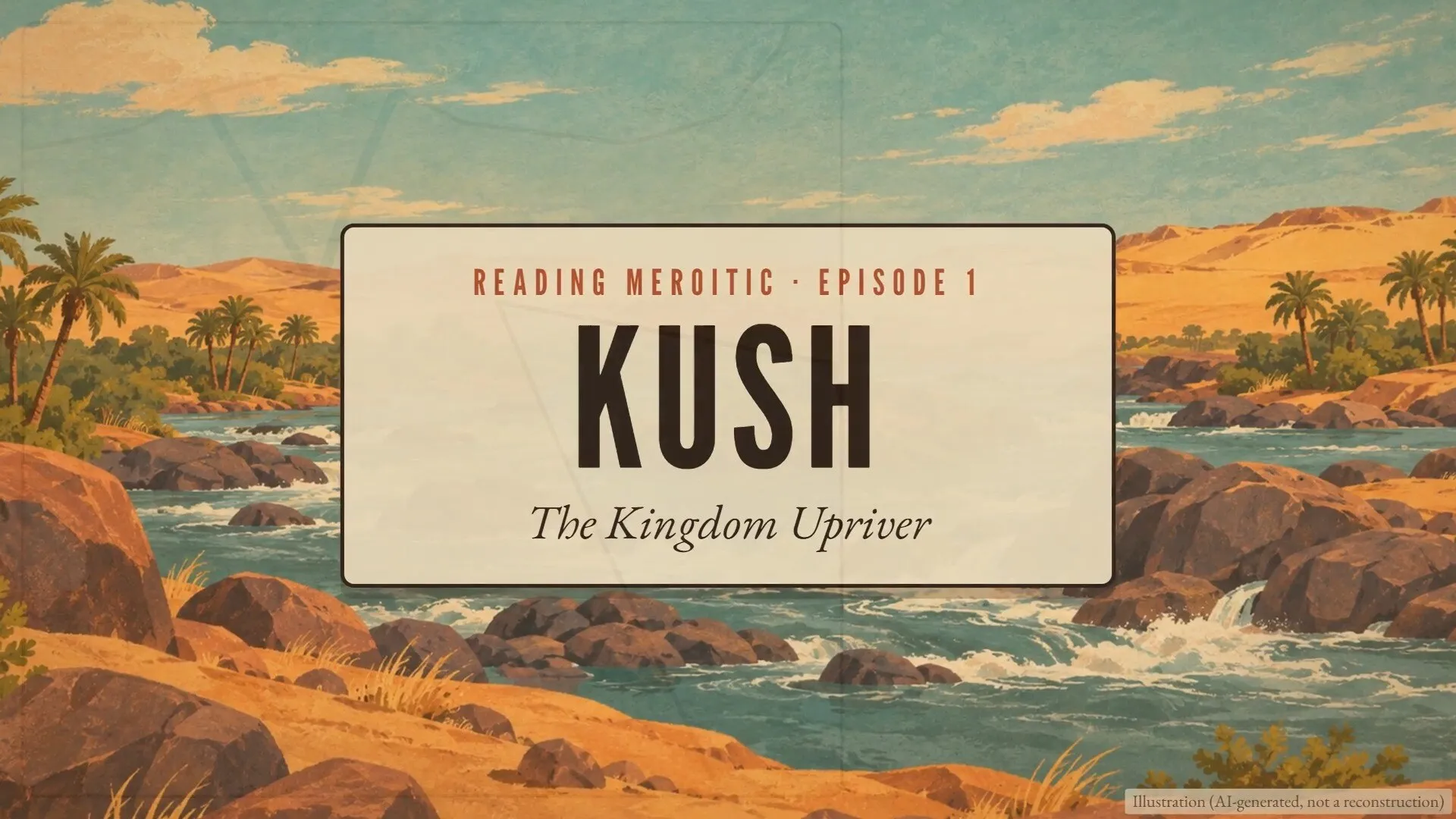
From the series: the title card of the first episode.
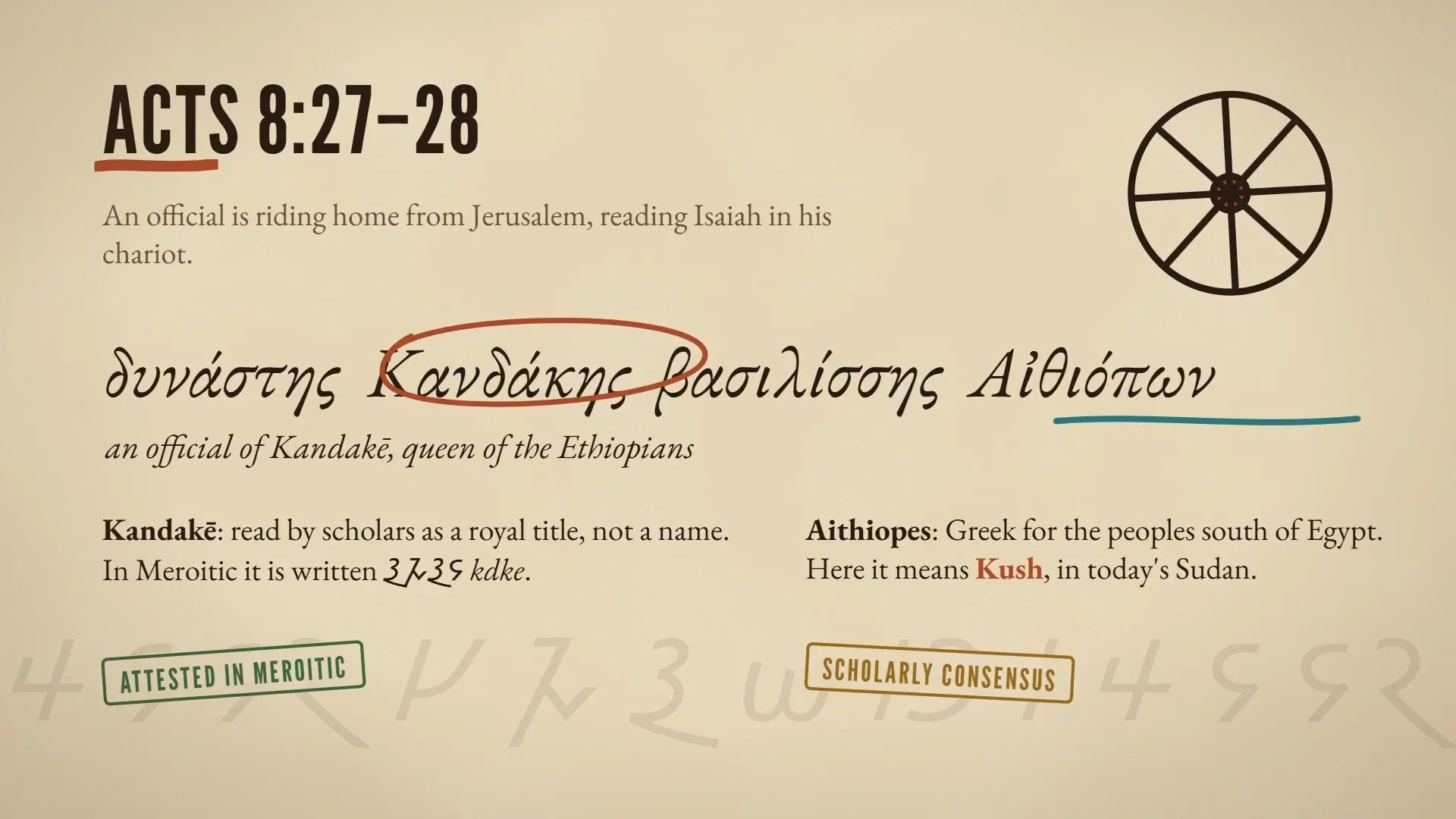
From the series: Acts 8:27–28 in Koine Greek, pointing to Kandakē, the royal title tied to ancient Kush.
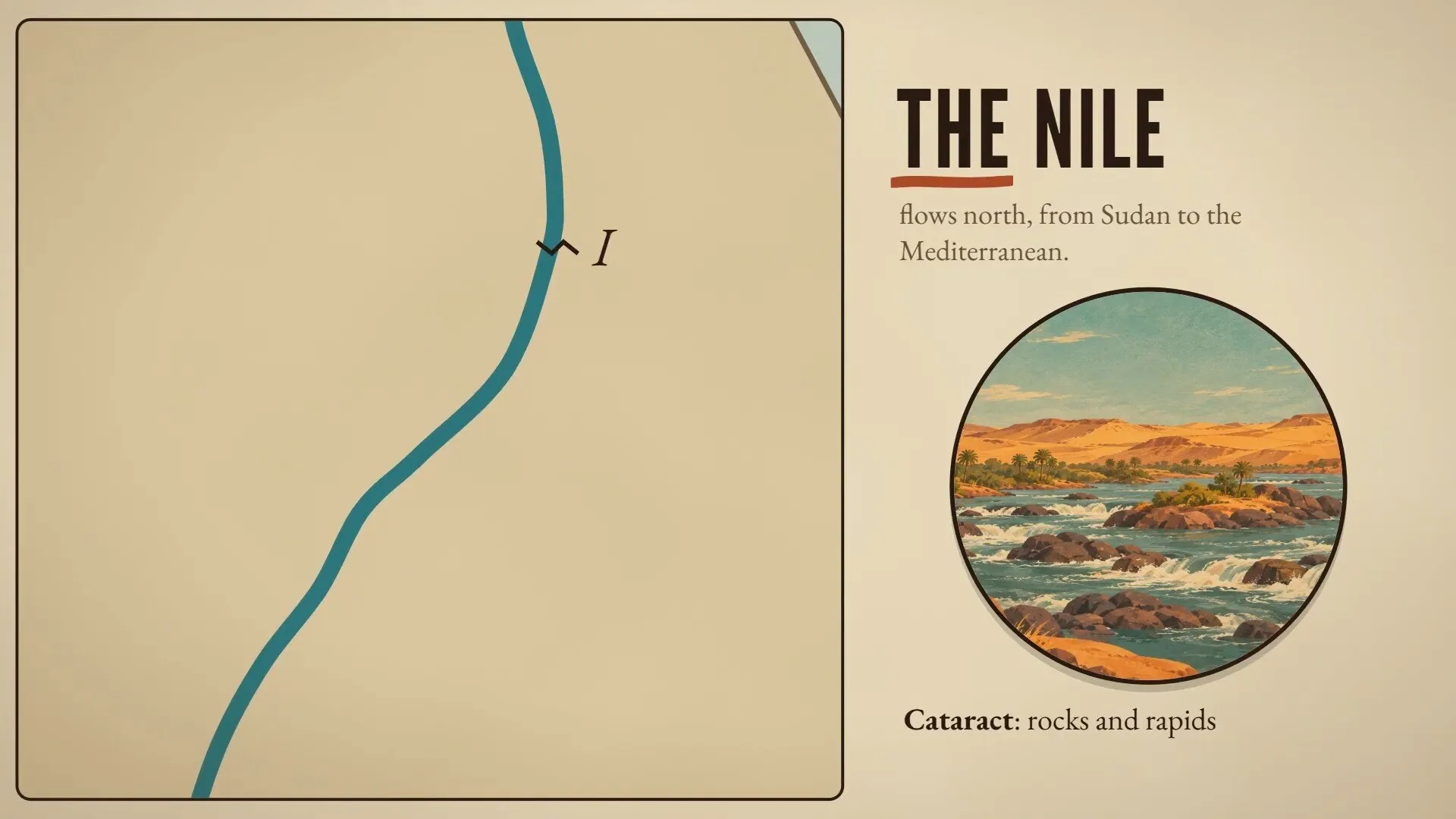
From the series: the Nile south of Egypt, with a cataract marked on the river.
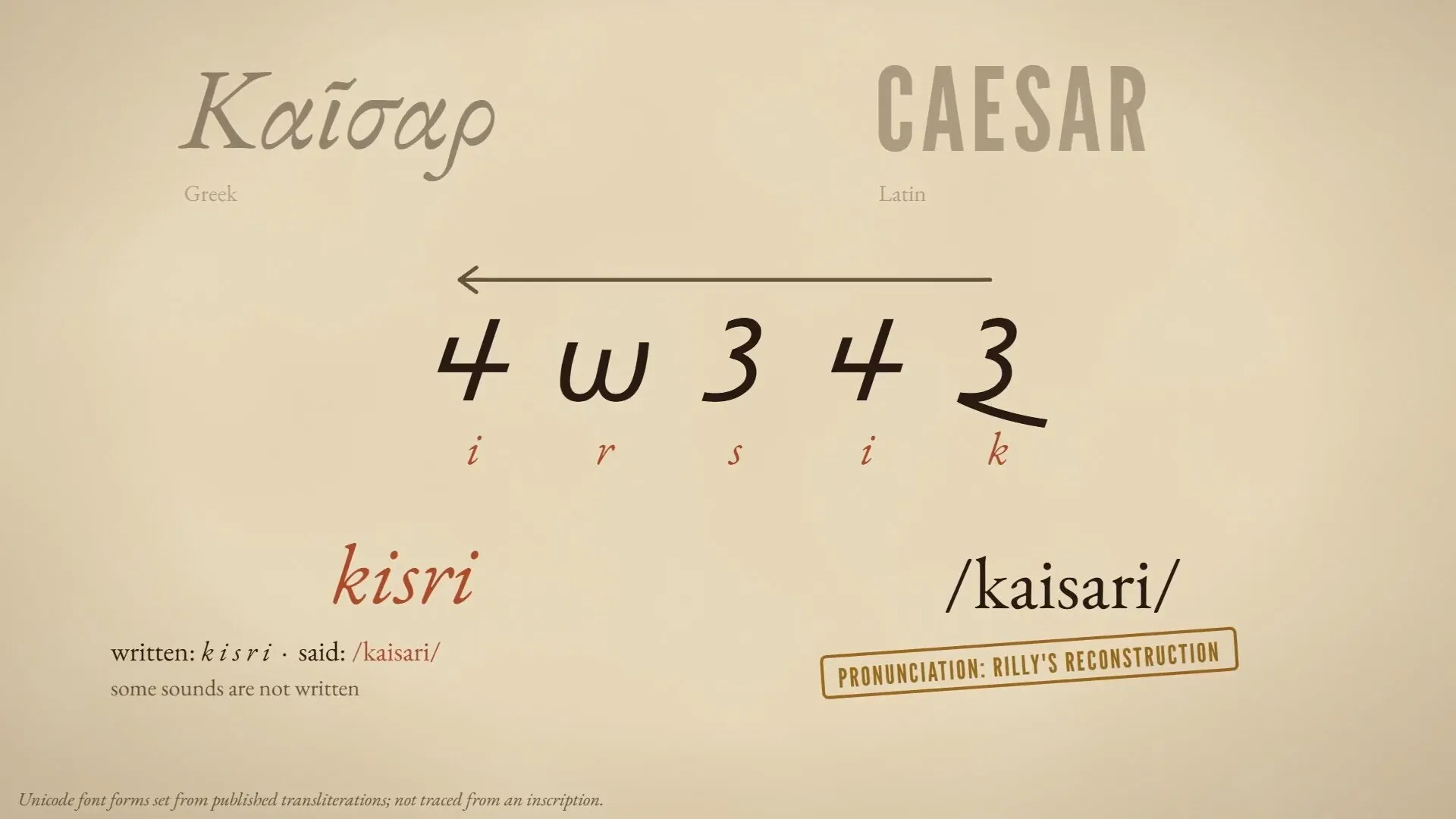
From the series: Kaisar (Caesar) written in Meroitic cursive.
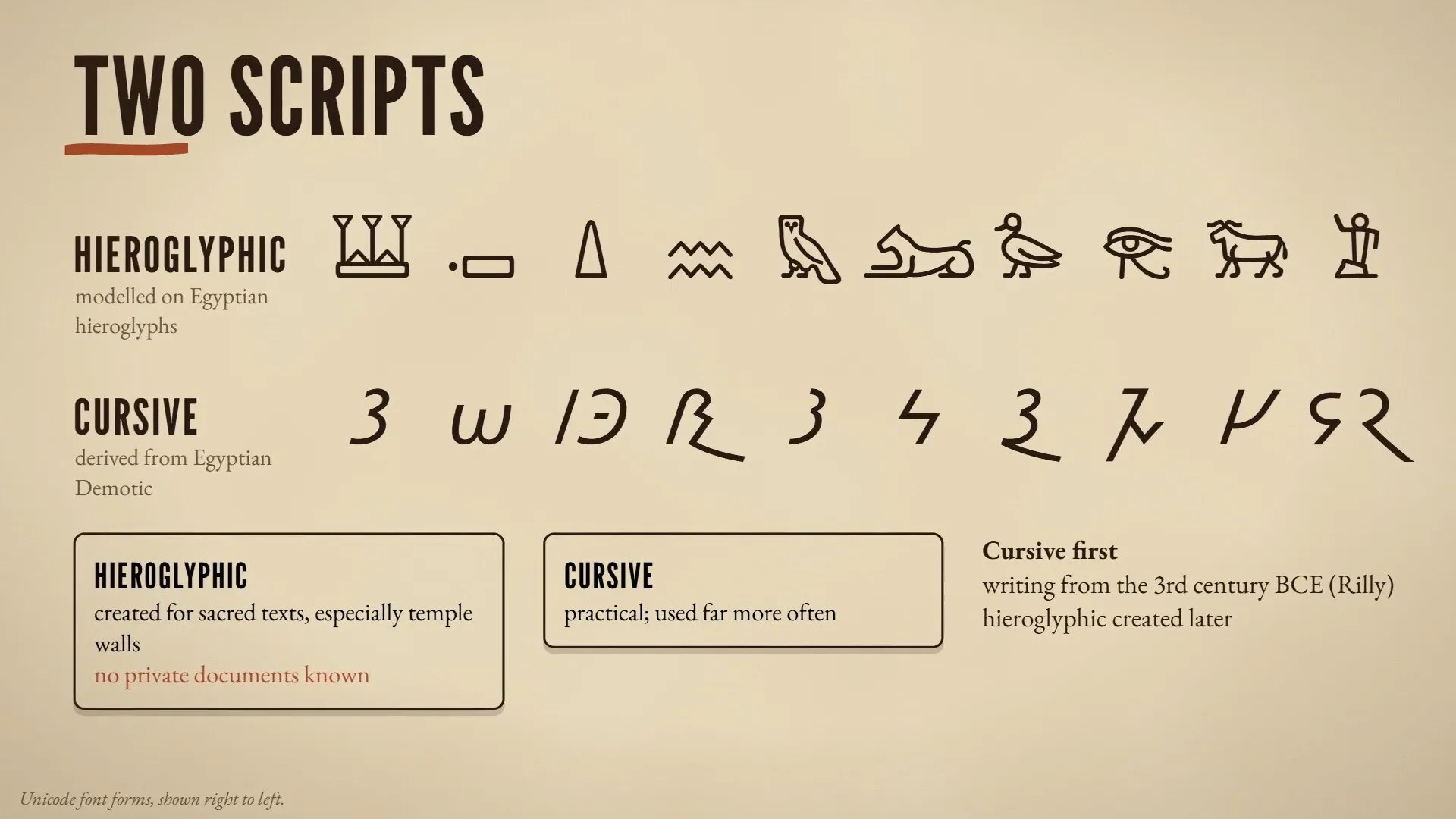
From the series: the "Two Scripts" row showing Meroitic hieroglyphic signs alongside their cursive counterparts.
In progress
Hardware reverse-engineering
Using AI agents to inspect protocols, capture packets, and unlock household devices I already own.
So far only one device has a finished result: the USB-MIDI drum pad that turned into Music Star. Next on the target list are smart scales and a Tonal home gym, though neither has anything working yet.
In progress
Home lab
A Proxmox and k0s Kubernetes cluster at home, managed largely by AI agents through Terraform, Helm, and Ansible.
Right now the cluster hosts 38 services and scheduled jobs running in my home lab, including the cluster’s own infrastructure such as ingress, certificates, storage, and monitoring. It runs my self-hosted apps, scheduled jobs, and experiments behind Cloudflare Tunnel, and doubles as a live sandbox for letting agents operate real infrastructure under version control.
In progress
How I work with AI agents
I run my day-to-day builds through one driver agent in Claude Code on a short heartbeat, backed by a bench of agents across Claude, OpenAI’s Codex, and Google’s Antigravity. Hard calls go to a council of independent reviewers, and open decisions land on a single desk so I can always see where things stand. Read the full setup on How I work.
In progress
Music Star
Turning a cheap roll-up USB-MIDI drum pad from Christmas 2025 into a rhythm game my kids actually want to play.
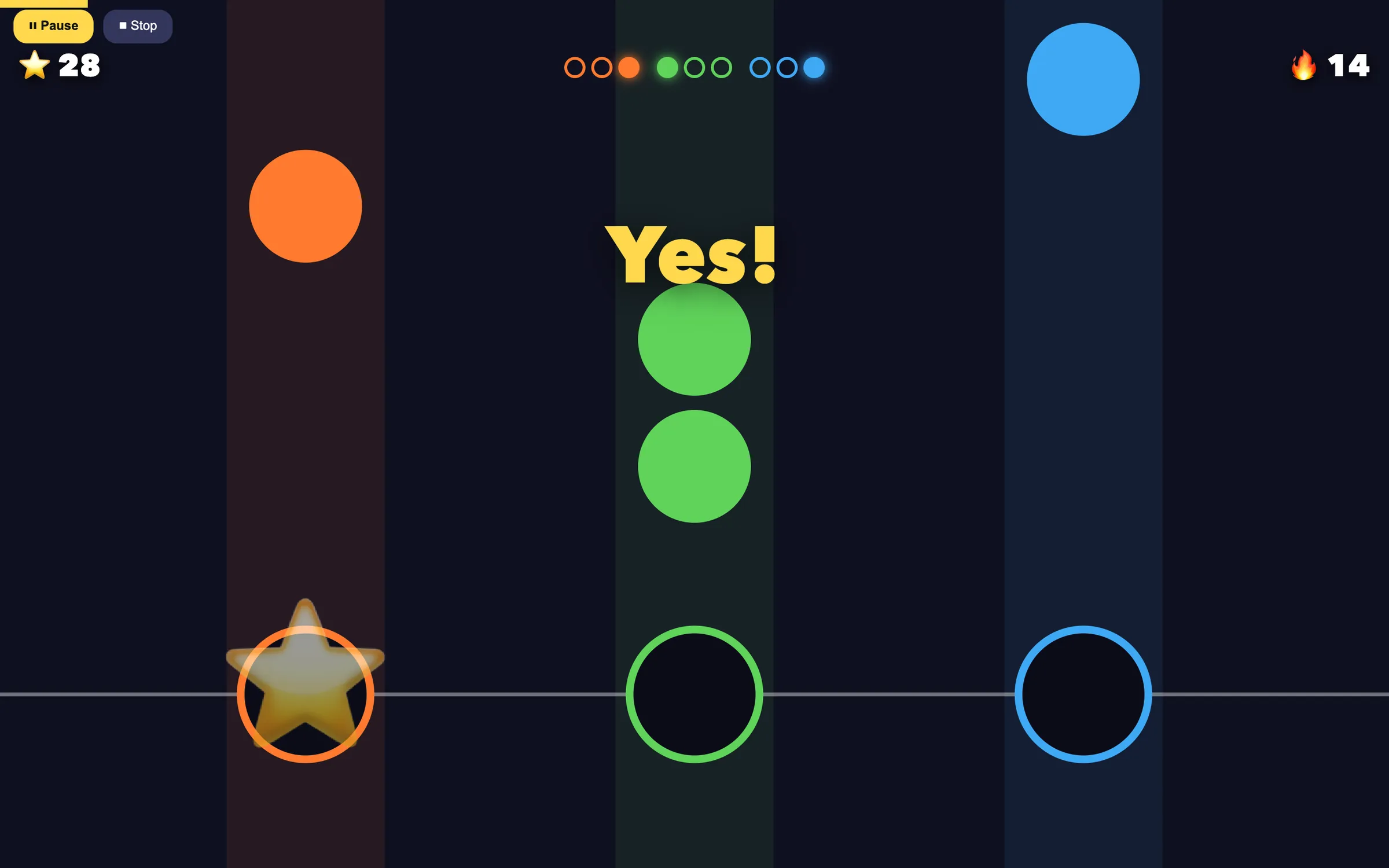
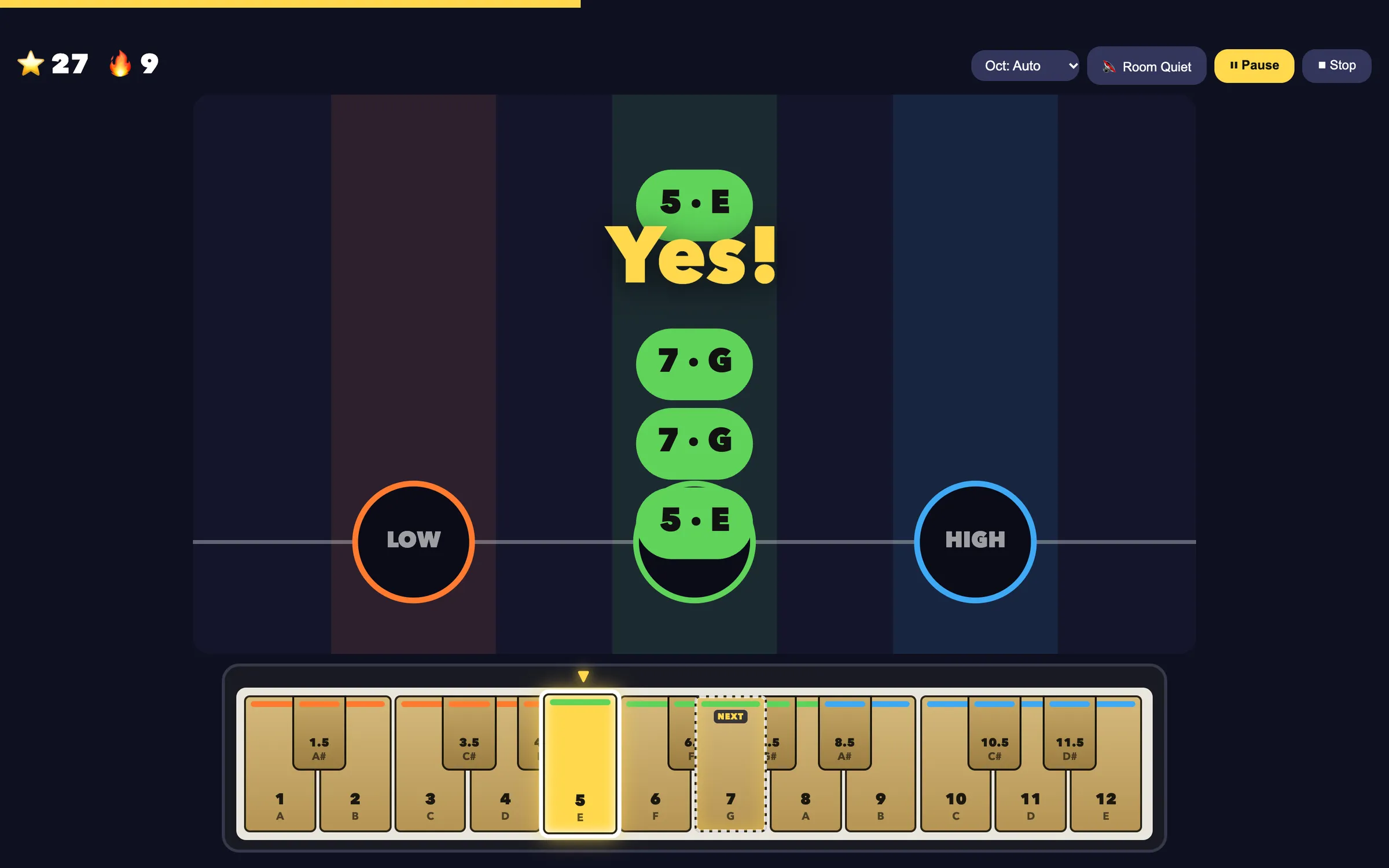
In November 2026, I worked with an agent to capture the pad’s MIDI traffic and map every pad. From there we built Music Star, a Rock Band-style falling-notes game with a drum mode over USB-MIDI and a Stylophone mode that listens through the microphone, so my kids can play along to their favorite songs. I ported it to iPad inside a SwiftUI shell with a CoreMIDI bridge for the drum pad.
Music Star: the falling-notes drum mode, and the Stylophone mode that listens through the microphone.
The best part is watching it work off-screen: my son, 6, now keeps a beat even without the game.
Paused
Family OS
A private native iPhone app for our household with a built-in MCP server, so existing AI assistants can read and update the same weekly plan, groceries, and calendar.
Built in October 2026 with Claude Code (after an initial Codex planning baseline) and shipped to a private TestFlight build. When ChatGPT Live voice could not call custom apps, I added an in-app voice orb backed by the same household tools.
An earlier build from December 2025: a custom n8n node that wrapped the Claude Code CLI so automation workflows could invoke an agent directly.
Instead of stringing together fragile single-prompt API calls inside n8n, the node ran Claude Code inside its own container workspace volume, letting a workflow hand a bounded job to an agent as a normal workflow step.